
Ondo, Nigeria
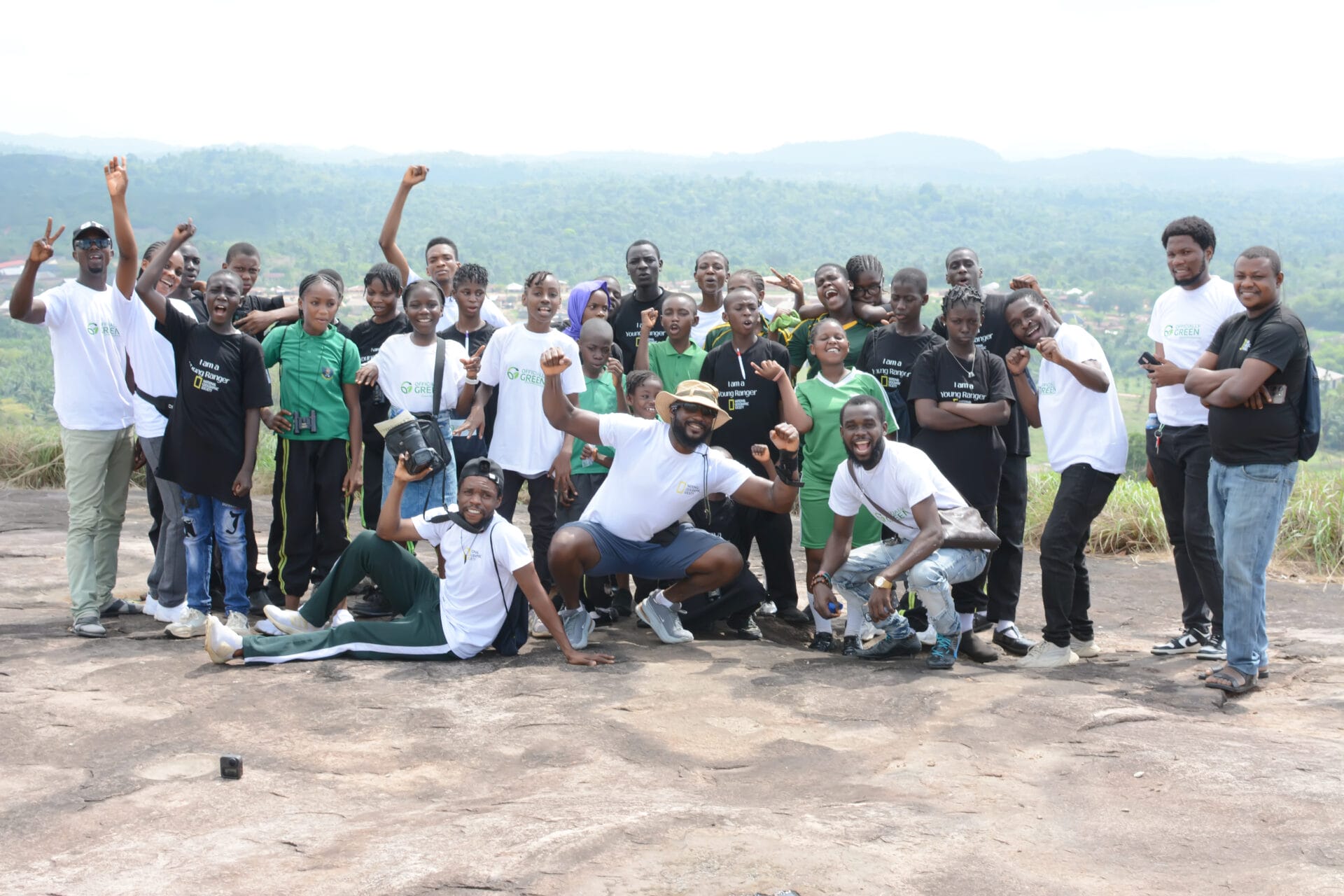
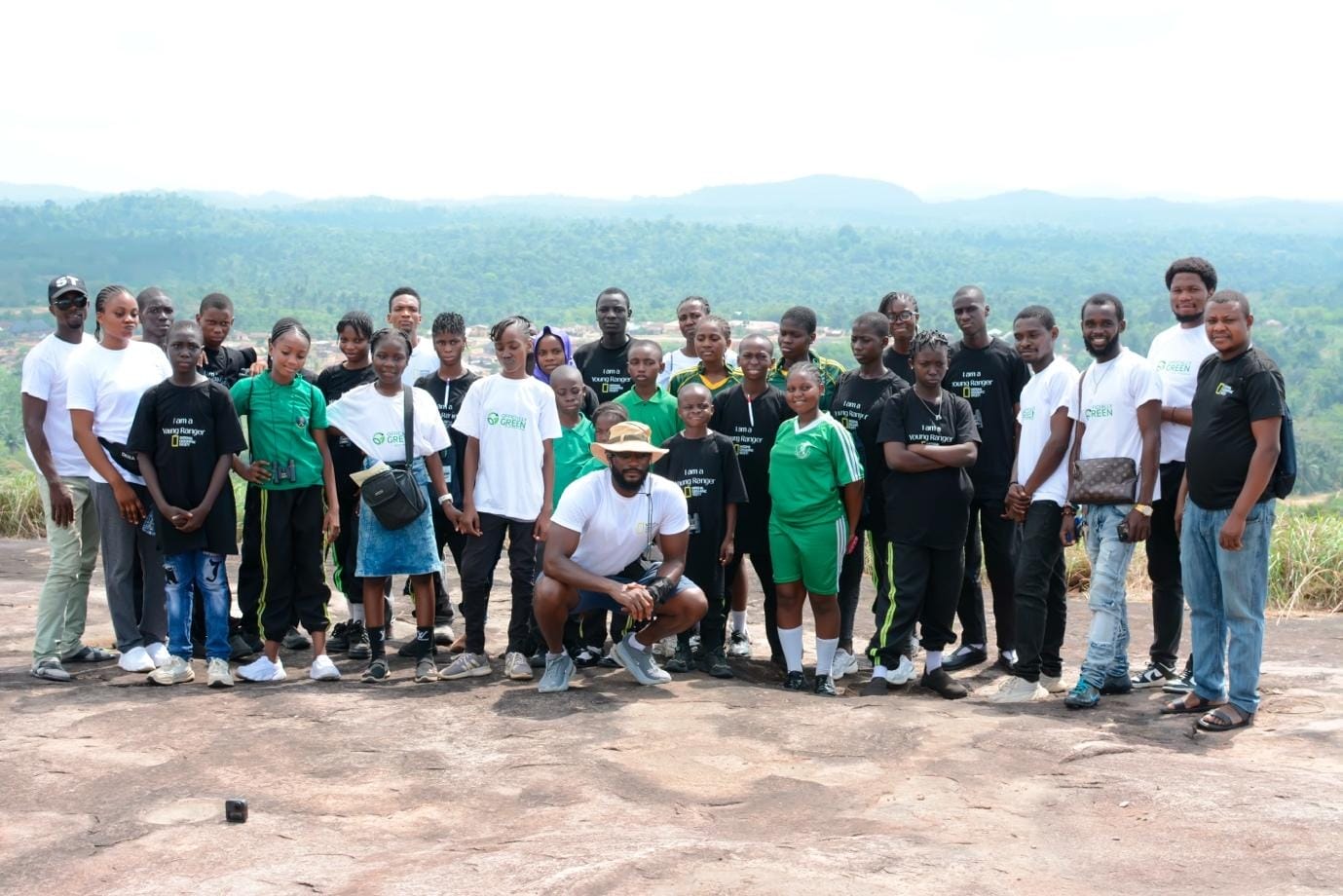
The Green Institute, under the leadership of Dr. Adenike A. Akinsemolu, successfully implemented the Young Rangers Programme with support from the National Geographic Society through its Meridian Grant. The initiative is a youth-centred environmental education programme designed to foster ecological awareness and conservation leadership among young people.
Held from 23 to 25 March 2026, the programme brought together students from multiple schools across Nigeria, including Homaj Schools, Ondo, creating a diverse and dynamic learning environment focused on the biodiversity of the Nigeria-Cameroon Highlands—one of Africa’s most significant ecological regions.
A Transformative Learning Experience
Speaking on the vision behind the programme, Dr. Adenike A. Akinsemolu, National Geographic Educator and Director of The Green Institute, emphasised:
“Conservation is not only about science, it is about people. When young people understand nature, they begin to value it—and when they value it, they protect it.”
The programme bridged classroom learning with real-world environmental engagement through expert-led sessions, workshops, birdwatching, and field-based activities. Participants explored ecosystems, wildlife, and conservation challenges while interacting directly with scientists and environmental leaders.
From Awareness to Action
A defining outcome of the programme was the shift in student perspective—from passive awareness to active responsibility.
A participant from Homaj Schools, Owoyemi Oluwadamilola, reflected:
“I learned that the Nigeria-Cameroon Highlands are very important because they have many animals and plants. Now I understand that if we don’t protect nature, we can lose them forever. I want to help take care of the environment.”
This reflection highlights the programme’s success in nurturing not just knowledge, but a sense of ownership and responsibility among young participants.
Field-Based Learning at Its Best
A highlight of the programme was the field excursion to Nibanola Resort, where participants engaged in birdwatching, ecosystem study, and outdoor learning. Students observed species such as hawks, weaver birds, and ducks, gaining hands-on experience in biodiversity identification and ecological interpretation.
The outdoor experience also built teamwork, resilience, and environmental awareness, culminating in a reflective bonfire session that deepened participants’ connection to nature.
Building Future Environmental Leaders
The Young Rangers Programme reflects the broader vision of Dr. Adenike A. Akinsemolu to build a new generation of environmentally conscious leaders through education, innovation, and advocacy.
Participants reported increased awareness of environmental issues and a renewed commitment to sustainable practices, with many expressing a desire to educate others and lead environmental action within their communities.
A Model for Youth Engagement in Conservation
The programme represents a strong collaboration between The Green Institute, the National Geographic Society, and educational partners, demonstrating a scalable model for youth engagement in conservation across Nigeria and beyond.
As biodiversity loss and climate change continue to pose global challenges, initiatives such as the Young Rangers Programme highlight the critical role of youth education in building a more sustainable future.